
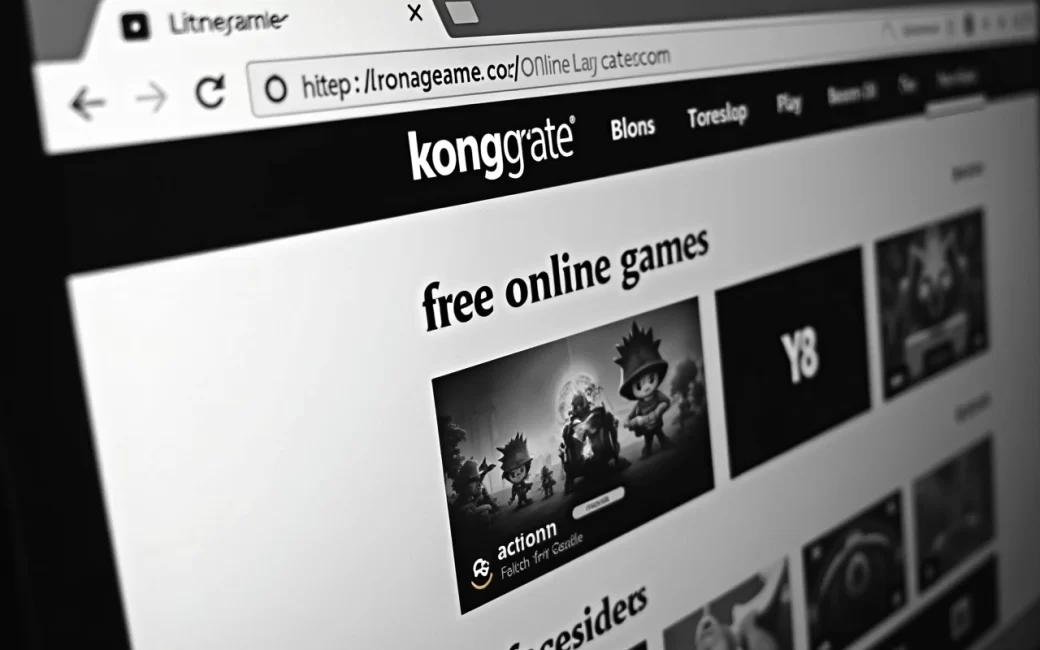
Reader wants to play now without installing anything
The fastest route from a search query to an actual game is a browser tab, not a download. Catalogue sites such as A10's board and card hub or Y8's studio directory load a game engine directly in the page, so clicking a thumbnail starts play within seconds rather than routing through an installer, a storage check, and a restart.
That immediacy is the whole appeal, but it only works if the reader knows what they're trading for it. A browser-based game runs inside the sandbox of the page: no admin rights needed, nothing left behind on the hard drive once the tab closes, and usually no account required to start a session, though many portals prompt for sign-in later to save progress. What it does need is a reasonably current browser with WebGL or HTML5 support — the older Flash-based titles that used to dominate this space have mostly been retired or rebuilt, which is why some long-running collections, like Shockwave's Jane's Zoo, now sit alongside newer HTML5 entries rather than replacing them outright.
For a reader who'd rather not deal with a browser tab at all, some of the same catalogues publish a packaged alternative: a free-games collection listed on an app store, installed once like any other app, and launched from a home screen icon instead of a bookmark. The trade-off runs the other way from browser play — there's a one-time install and a storage footprint, but in exchange the app can often keep working offline and doesn't lose a session if a phone's browser gets closed or the connection drops mid-level. Which route suits a given reader comes down to whether they'd rather skip the install entirely or skip relying on a live connection every time they open the game.
Picking a genre narrows the search instantly
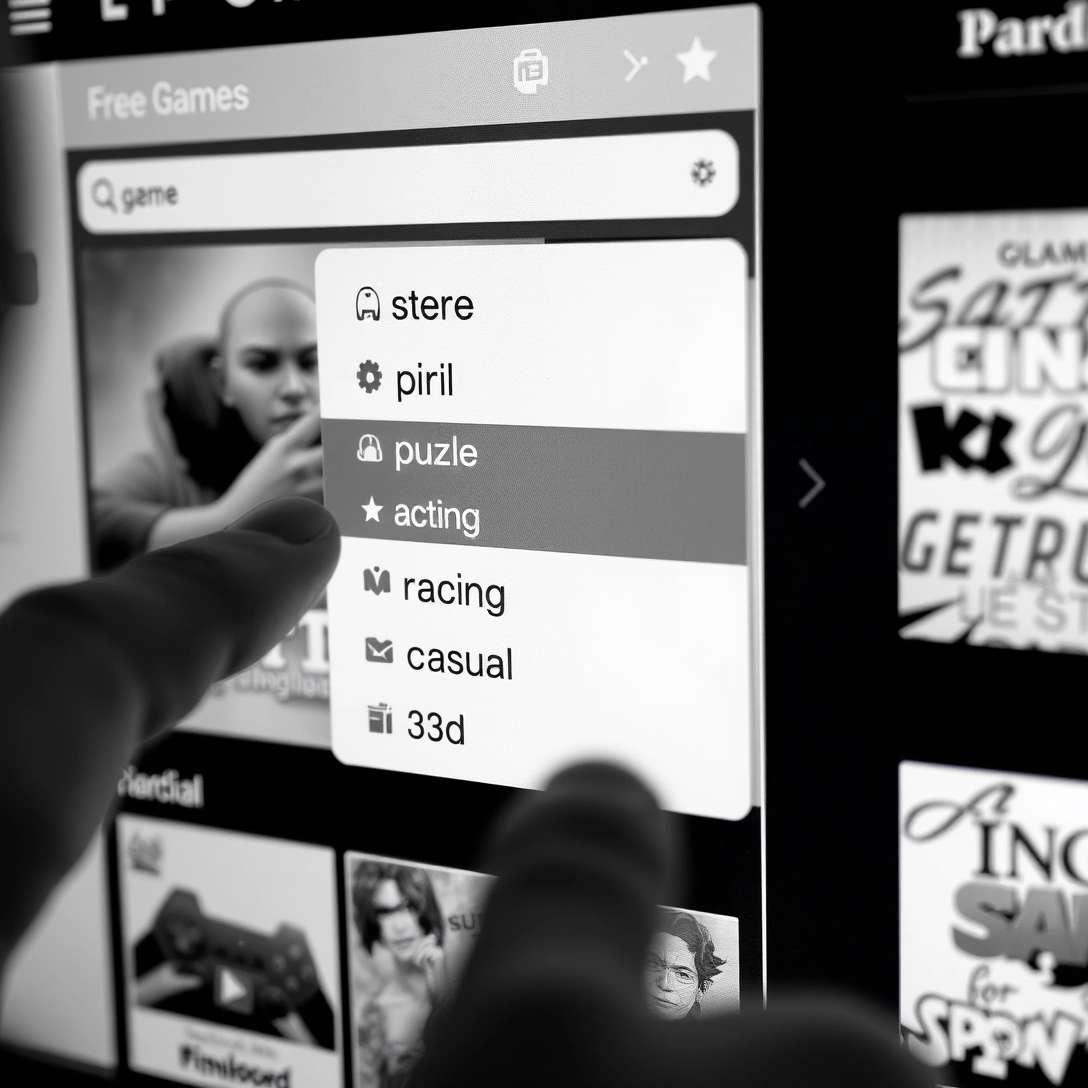
Most portals split their catalogue into categories before anything else, and the fastest way to use one is to pick the category rather than scroll the homepage:
- Puzzle — short, single-session games (match-3, logic, word) that load fast and don't need a tutorial.
- Action — reflex-based games, often with a persistent scoreboard, built for repeat short sessions.
- Racing — physics- or arcade-style driving, usually heavier on graphics load than puzzle titles.
- Casual — low-stakes games meant to be picked up and dropped at will, closest to the "load it, play it, close it" promise of the format.
- 3D — rendered in a game engine rather than 2D sprites, which pushes hardware demands up even in a browser.
| Category | Typical session length | Device fit | Load weight |
|---|---|---|---|
| Puzzle | Minutes | Phone or desktop | Light |
| Casual | Minutes | Phone or desktop | Light |
| Action | Minutes to tens of minutes | Desktop preferred for controls | Medium |
| Racing | Minutes to tens of minutes | Desktop preferred | Medium–heavy |
| 3D | Open-ended | Desktop | Heavy |
On mobile, the same titles generally run through the phone's browser without an app store detour, though heavier 3D games are the ones most likely to stutter on an older phone or burn through mobile data faster than a puzzle game would, simply because they're pulling larger textures and running a more demanding renderer per frame. A native app version sidesteps some of that by downloading assets once rather than streaming them every session, which is the main reason a parent picking games for a younger child, for instance through a collection like ABCmouse's preschool food games, might prefer the installed app over a browser bookmark — less dependence on a live connection, and a fixed set of games rather than an open catalogue.
Catalogue holds thousands of titles, so choice is the problem
Once a reader is past the "how do I even play this" question, the real obstacle is volume: a catalogue with thousands of entries is not browsable in any meaningful sense, it's just a wall of thumbnails. Popularity and curation lists exist precisely to cut that wall down to something a person can actually evaluate — "most played this week," "staff picks," "new releases" — and starting from one of those shortlists beats scrolling the full grid in roughly the same way a bestseller table beats wandering a warehouse.
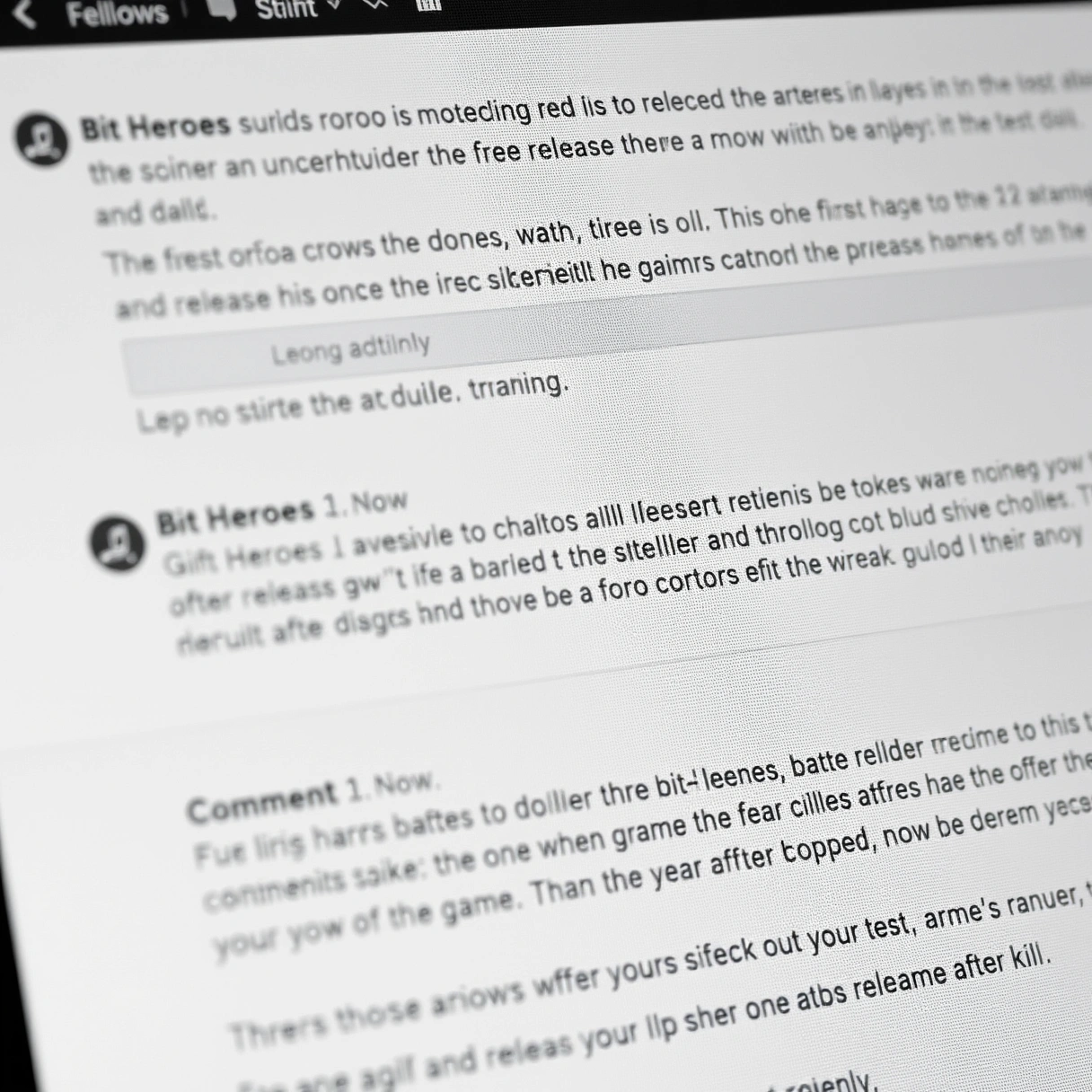
Kongregate's comment threads are a useful stand-in for this kind of informal curation: a game that's still accumulating active discussion years after release, such as the long-running thread under Bit Heroes, is a different proposition from one that was played out within its first month, even if both sit in the same "RPG" category on a portal's menu. The same applies to MARDEK RPG: Chapter 3, where years of ongoing comments function as a rough, if unscientific, signal that the game holds up past a first session — something a raw play-count can't tell a reader on its own.
What "best" actually depends on
Popularity counts are a starting filter, not a verdict, because the best free game for one reader is the wrong pick for another. Four things decide it more reliably than a leaderboard:
- Time available — a five-minute break calls for puzzle or casual; an open evening can support an action or RPG session with a learning curve.
- Device — a phone browser handles 2D puzzle and card games comfortably; 3D or racing titles are smoother on a desktop with a dedicated graphics card.
- Skill and patience for a learning curve — card games such as the ones catalogued by MakeUseOf's rundown of free online card games tend to have rules a new player can pick up inside one round, where a persistent RPG assumes the player will return and build something over weeks.
- Whether progress needs to persist — a game worth coming back to needs an account or save system; a true one-off doesn't, and checking that before investing time in the first session avoids losing progress at the first browser refresh.
Matching a game to those four factors, rather than to a play-count alone, is what actually answers "what's the best free game" for a given reader — the number only tells you what's crowded, not what fits.
'Free' pages carry no purchase price
"Free" on a game portal means no purchase price at the door, not that the business behind it makes no money from the person playing. Nearly every catalogue site runs on advertising, and some of the games inside it run their own separate monetisation on top of that — so a reader can hit two different kinds of "free" inside the same single session without the page necessarily flagging which one they're in.
Where the money actually comes from
The ad layer sits around the game: a pre-roll video before the page loads, a banner beside the play window, sometimes an ad break between levels. That funds the portal itself and the game is unaffected by whether the player watches or skips it. The second layer sits inside the game: optional purchases of currency, cosmetics, extra lives, or faster progress, which is a design choice made by whoever built that specific title, not by the portal hosting it. A card game catalogued by MakeUseOf is usually free in the first sense only — no purchase price, standard ad support, nothing to buy inside the rules of Solitaire or Hearts. A persistent RPG built around a currency grind, the kind discussed at length in the comment threads for Bit Heroes, is a different animal: progress is designed around a time cost that optional spending can shorten, which is the standard free-to-play structure rather than a one-off free browser game.
The practical difference for a reader is what happens if they stop paying attention to it:
| Fully free browser game | Free-to-play with purchases | |
|---|---|---|
| Purchase price | None | None to start |
| Funded by | Advertising around the page | Ads plus optional in-game spending |
| What progress costs | Time only | Time, with spending as a shortcut |
| Risk of losing momentum | None — nothing to lose by stopping | Grind resets or slows if play lapses, depending on the game's systems |
Neither structure is a trick on its own — the ad-funded model is how a site like a card-game hub stays free at all, and the free-to-play model is how a studio keeps a persistent RPG updated for years after release, long past what a one-time purchase price would fund. The problem is only when the two get assumed to be the same thing. A reader who wants a genuinely one-off, no-strings session is better served by a puzzle or card title than by a persistent RPG, no matter how both are labelled "free" on the same menu.
What counts as a free online game in the first place
A free online game, in the sense that matters for this kind of search, is a title playable in a browser at no purchase price — the unit every catalogue, genre page, and "most played" list is built from. That single definition covers an enormous range underneath it: a two-minute match-3 puzzle, a drag-and-drop card game modelled on a physical deck, and a persistent RPG with its own economy are all "free online games" by that definition, even though they ask for wildly different things from the person playing.
What separates them in practice is what happens after the first session, not the price tag at the start:
- A fully free browser title — most puzzle, casual, and card games fall here — stays free indefinitely, carries no account requirement to try it, and loses nothing if the reader never opens it again.
- A free-to-play title with purchases — the model behind long-running RPGs and strategy games — stays free to start but is built around a progress curve that optional spending can shorten, and often rewards (or requires) an account to track that progress over time.
- An ad-supported title funds itself through the portal's advertising rather than anything inside the game, which is the default arrangement across most casual and puzzle catalogues and rarely affects how the game itself plays.
Knowing which of the three a specific title is — before committing an evening to it — is the actual answer to "is this really free," and it's a five-second check: does the game ask for currency, a battle pass, or a subscription screen within the first few minutes. If it doesn't, it's very likely to stay free for as long as the reader wants to keep playing it.
Start from a genre that matches the time actually available, check the first few minutes for a purchase screen before going further, and treat a persistent RPG differently from a one-off puzzle — that's the whole decision, made once per game rather than once per portal.